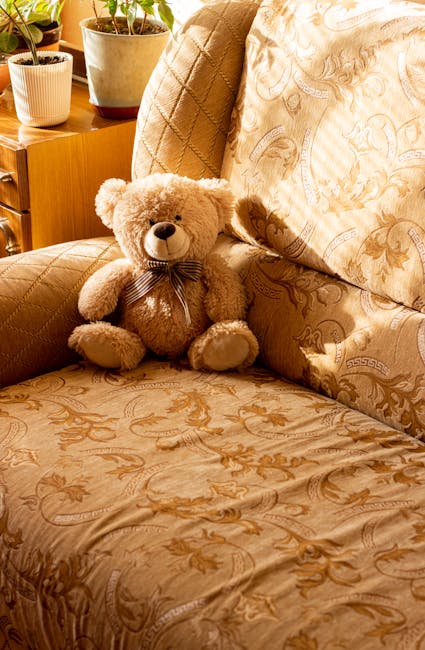
Park Road upholstery cleaning tips in Crouch End
If you live on Park Road or nearby in Crouch End, upholstery cleaning can feel oddly urgent the moment a sofa picks up a spill, a dining chair goes a bit shiny, or a favourite armchair starts holding onto that faint lived-in smell. The good news is that most fabric furniture can be kept in excellent shape with the right approach. This guide to Park Road upholstery cleaning tips in Crouch End is designed to help you clean more safely, avoid common mistakes, and decide when a professional clean makes more sense than another round of DIY trial and error.
You will find practical steps, fabric care advice, local-friendly considerations, and a few hard-earned realities about stains, drying, and what not to do. Because let's face it: upholstery looks simple until you are standing there with a damp cloth and a growing patch. Better to do it properly.
Why Park Road upholstery cleaning tips in Crouch End matters
Upholstery is one of those things that quietly works hard every day. Sofas absorb body oils, crumbs, pet hair, dust, and the odd splash of tea. Dining chairs collect grease from hands and food residue. Even decorative cushions can trap moisture and everyday grime. Over time, all of that builds up and the fabric starts to look tired long before the furniture has reached the end of its life.
On a residential street like Park Road, where homes tend to be properly lived in rather than showroom-perfect, a sensible upholstery routine makes a real difference. It helps furniture stay brighter, smell fresher, and wear more evenly. It also reduces the risk of a small spill becoming a permanent mark. That matters whether you are caring for a family sofa, a rental property, or a front room that sees a lot of visitors.
There is another reason it matters: fabric damage is often caused by cleaning badly, not by normal use. Too much water, the wrong product, or aggressive scrubbing can leave rings, shrinkage, texture change, or colour loss. So the goal is not simply to clean. It is to clean with judgment. That bit gets overlooked a lot.
Expert summary: the safest upholstery cleaning is usually the least dramatic one. Test first, use as little moisture as possible, and know when the fabric needs specialist attention rather than a heroic DIY attempt.
If you want to explore broader fabric care services, the site's upholstery cleaning page is a useful starting point, especially if you are comparing home maintenance with a deeper professional clean.
How Park Road upholstery cleaning tips in Crouch End works
Good upholstery cleaning is basically a sequence of small, careful decisions. First you identify the fabric type, then you choose the right cleaning approach, then you manage moisture and drying. Simple in principle, a little less simple in the moment. The right method depends on the material, the age of the mark, and how delicate the piece is.
Most modern upholstery care starts with the manufacturer's cleaning code or care instructions, if they are still available. These can indicate whether the fabric can tolerate water-based cleaning, solvent-based cleaning, or only vacuuming and dry methods. If you cannot find the label, assume caution. A cautious clean is far better than a guess.
Typical upholstery cleaning work includes:
- careful vacuuming to remove dry soil and grit
- spot testing any cleaning solution on a hidden area
- light stain treatment rather than full saturation
- blotting instead of rubbing
- controlled drying with airflow
- final grooming of the fabric pile where relevant
Professional upholstery cleaning usually goes further. Depending on the fabric and condition, a technician may use hot-water extraction, low-moisture cleaning, foam application, or solvent-safe methods for delicate pieces. The exact method should match the item, not the other way round.
If you are also maintaining sofas, rugs, curtains, or mattresses in the same home, it can be useful to coordinate them as part of one cleaning plan. Related services such as sofa cleaning, rug cleaning, and curtain cleaning often sit naturally alongside upholstery care because dust and odour tend to move through a room together. Annoyingly efficient, that dust.
Key benefits and practical advantages
Clean upholstery is not only about appearance, though that is usually the first thing people notice. The practical benefits are broad, and some are surprisingly easy to feel once the room has been refreshed.
- Better appearance: fabrics look brighter, less patchy, and more even in colour.
- Improved comfort: seats feel fresher and less sticky or dusty.
- Longer fabric life: removing abrasive dirt helps reduce wear.
- Odour control: everyday smells from cooking, pets, and humidity are reduced.
- Better allergy management: regular vacuuming and cleaning help remove dust and debris that settle in fibres.
- Higher property presentation: useful for homes being prepared for guests, tenants, or sale.
There is also a financial angle, though it should be treated sensibly. Well-cared-for furniture usually lasts longer, which can delay replacement costs. In a London home where space is precious and pieces often have to do double duty, that makes a practical difference. A good sofa is not cheap, and most people would rather keep the one they have looking respectable than start shopping again before they need to.
For stubborn marks, pair upholstery care with targeted stain removal advice rather than reaching for the strongest cleaner in the cupboard. Stronger is not always better. Sometimes it is just more dramatic.
Who this is for and when it makes sense
These Park Road upholstery cleaning tips in Crouch End are useful for anyone trying to keep fabric furniture in decent condition without causing damage. But some households benefit more than others.
It makes sense if you:
- have children, pets, or frequent visitors
- live in a flat or house where furniture sees heavy daily use
- have light-coloured fabric that shows marks quickly
- notice odours after cooking, smoking, or pet activity
- own older or inherited furniture you want to preserve
- are preparing a property for guests, sale, or a tenancy change
It is especially worth considering if:
- the fabric has a visible stain that keeps returning after spot cleaning
- the furniture feels slightly greasy or dull to the touch
- you can see dust embedded in seams and creases
- the piece has mixed materials, trims, or delicate stitching
- the cushion filling has started to hold odour as well as the surface fabric
For pet households, staining and odour are often linked. A surface clean may improve appearance but leave a smell in the deeper layers. In those cases, a dedicated pet stain odour removal approach can be more suitable than general upholstery cleaning alone.
And if the issue spreads beyond the sofa to the whole room, do not be surprised. Fabric care often works as a system. Clean the seating, and suddenly the rug looks tired too. It happens.
Step-by-step guidance
If you want a practical, safe routine, follow this sequence. It is simple enough for everyday upkeep and careful enough to avoid most mistakes.
1. Identify the fabric and check the care instructions
Look for a label under cushions or along the frame. If there is a cleaning code, note it before doing anything else. When there is no label, treat the fabric as sensitive until proven otherwise.
2. Vacuum thoroughly
Use an upholstery attachment and go slowly. Work into seams, piping, under cushions, and the back of the item. Dry soil acts like grit paper, so this step matters more than many people think.
3. Pre-test any cleaner
Try the product on a hidden spot first. Wait for drying to see if the colour changes, the texture stiffens, or the fabric rings. If anything looks odd, stop there. Really, stop there.
4. Treat the mark gently
Apply a small amount of cleaner to a cloth, not directly onto the upholstery unless the product instructions clearly allow it. Blot the stain from the outside in. Do not scrub hard. Scrubbing can push the mark deeper into the fibre and rough up the pile.
5. Rinse or remove residue carefully
If the fabric and product allow it, use a lightly damp cloth to lift away residue. Too much water can cause marks and slow drying. On some fabrics, less moisture is better than perfect immediate results.
6. Dry with airflow
Open windows if the weather allows, increase ventilation, and keep cushions separated so air can circulate. If the room is warm and still, drying may take longer than expected. Patience pays here.
7. Finish with a final check
Once dry, inspect the area from different angles and in daylight if possible. Some marks only show when the fabric is fully dry. If the stain remains, repeat the process carefully or escalate to a professional.
If you want a deeper clean rather than a spot treatment, many households compare sofa-specific care with broader steam carpet cleaning for the rest of the room. The methods are different, but the same rule applies: match the process to the material.
Expert tips for better results
Here are the small things that usually make the biggest difference. None of them are flashy. All of them matter.
- Work from dry to damp, not the other way round. Vacuuming first stops dirt turning into mud during cleaning.
- Use white cloths where possible. Coloured cloths can bleed dye, especially on damp fabrics.
- Blot patiently. A little patience beats ten minutes of rubbing.
- Dry cushion interiors separately if you can. Inner foam or fillings can hold moisture far longer than the surface fabric.
- Rotate cushions regularly. This helps reduce uneven wear and sun fading.
- Keep food and drink rules realistic. Not strict, just sensible. Nobody wants to live like a museum curator.
- Use the smallest effective amount of product. More product often means more residue to remove.
One of the best local habits, especially in busy homes, is a quick weekly reset: vacuum the upholstery, lift crumbs from seams, and spot-check for any fresh marks before they settle. It takes a few minutes. It saves a headache later.
If a stain is particularly awkward, it can help to pair the clean with a focused service like stain removal rather than treating the whole piece again and again.
Common mistakes to avoid
Most upholstery damage happens because someone is trying to solve the problem quickly. That is understandable. Still, some habits are risky enough that they should be avoided every time.
- Soaking the fabric. Excess moisture can leave water marks, slow drying, and weaken backing materials.
- Using the wrong detergent. General household cleaners are not always suitable for upholstery fabrics.
- Rubbing stains aggressively. This can spread the mark and fuzz the fabric surface.
- Skipping a patch test. A hidden test is boring, but it is cheaper than replacing a cushion cover.
- Ignoring odour trapped inside cushions. Surface freshness is not the same as deep cleaning.
- Drying too slowly. Damp upholstery left in a closed room can start to smell unpleasant.
- Assuming all fabric can be steam cleaned. It cannot. Some delicate materials really dislike heat and moisture.
Another common issue is trying to clean around a stain without fully lifting the residue. That can leave a faint halo. You may think the stain is gone, then daylight comes through the window at 3 p.m. and there it is again. Annoying, yes, but preventable.
Tools, resources and recommendations
You do not need a van full of specialist kit to carry out sensible home upholstery care. A small, well-chosen set of tools is usually enough for routine maintenance.
| Tool or product | Best use | Practical note |
|---|---|---|
| Upholstery vacuum attachment | Routine dust and crumb removal | Essential for seams, corners, and under cushions |
| Soft-bristled brush | Lifting dry soil or refreshing fibres | Use gently to avoid roughing up the pile |
| White microfibre cloths | Blotting and spot treatment | Safer than coloured cloths for damp work |
| Fabric-safe cleaner | Targeted stain treatment | Always patch test first |
| Dry towel | Absorbing extra moisture | Helpful after damp cleaning, especially on cushions |
| Fan or open window | Drying support | Good airflow is often the difference between fresh and musty |
For many homes, the best recommendation is a combined approach: keep up light maintenance yourself, then use professional help when the upholstery is heavily soiled, delicate, or affected by deep odour. If you are comparing services, the pricing and quotes page can help you understand the next step without overcommitting. It is also sensible to check the company's insurance and safety information before booking any in-home work. That is just good housekeeping, really.
Law, compliance, standards, or best practice
For ordinary household upholstery cleaning, there is usually no special legal complication. Still, best practice matters, especially in rented homes, shared properties, or spaces where people with allergies, children, or pets are affected.
In the UK, a sensible approach is to follow product instructions carefully, keep cleaning chemicals stored safely, and avoid creating slip hazards or excess dampness on floors and soft furnishings. If you are cleaning in a rental property or managed home, it is also wise to respect any property rules about ventilation, wet cleaning, or chemical use. If there is uncertainty, the safest route is to keep the clean conservative and well documented.
Professional providers should have a clear approach to safety, complaints, payments, and privacy. If you are dealing with a contractor, it can help to know where to find information on health and safety policy, terms and conditions, payment and security, and the company's privacy policy. Not thrilling reading, I know, but it tells you a lot about how seriously a business takes its work.
For environmentally conscious customers, look for good waste handling and sensible product use. A service that thinks about recycling and sustainability is often making the same careful choices in other parts of the job too.
Options, methods, or comparison table
Different upholstery cleaning methods suit different situations. There is no one-size-fits-all answer, which is why a quick comparison is useful before you decide how to proceed.
| Method | Best for | Strengths | Limitations |
|---|---|---|---|
| Vacuuming and light maintenance | Weekly upkeep | Simple, safe, and cost-effective | Will not remove deep stains or odours |
| Spot cleaning | Fresh spills and small marks | Fast and targeted | Can leave rings if over-wetted |
| Low-moisture cleaning | Sensitive fabrics or quicker drying needs | Less water, less drying time | May need more than one pass for heavy soil |
| Hot-water extraction | Durable upholstery with embedded dirt | Deep clean potential, good for thorough refreshes | Not suitable for every fabric |
| Specialist stain or odour treatment | Pet accidents, food spillages, lingering smells | More targeted for difficult problems | Requires proper diagnosis and care |
For everyday furniture, light maintenance and spot cleaning are usually enough. For tired, heavily used upholstery, or anything with repeated spills, a professional clean is often the better choice. There is no shame in that. In fact, it is often the sensible option.
Case study or real-world example
Imagine a typical Park Road living room: one fabric sofa, two dining chairs, and an armchair that gets the best seat in the house by default. Over a few months, the sofa starts to look a little dull near the armrests, one chair has a faint tea mark, and the armchair carries a soft smell from daily use and central heating drying the room out.
The first pass is straightforward. Vacuum the upholstery carefully, remove loose dust, and lift the cushions. The tea mark gets a patch test, then a light blotting treatment using a fabric-safe cleaner. The armchair is not soaked; instead, it is deodorised through careful cleaning and air circulation. A thicker section of the sofa is left to dry with a window open and a fan set nearby.
What changes? Not just the appearance. The room feels cleaner when you sit down, and the fabric stops looking as though it has been quietly holding onto last winter. That kind of result is common. It is not magic, just method.
If the sofa had had a deeper build-up or a more stubborn stain, the next sensible step would have been a specialist fabric service such as sofa cleaning or a broader upholstery treatment. Sometimes a focused professional clean saves you a lot of fiddling and a fair bit of frustration.
Practical checklist
Use this quick checklist before you clean any upholstered item at home.
- Check the fabric label or care instructions first
- Vacuum all seams, edges, and cushion gaps
- Test your cleaner on a hidden area
- Use the smallest effective amount of moisture
- Blot stains; do not scrub
- Dry with good airflow and patience
- Inspect for rings or colour change after drying
- Stop if the fabric reacts badly
- Escalate to professional help for delicate, valuable, or heavily stained items
- Keep a note of what worked, so you are not guessing next time
Practical summary: a careful clean beats a rushed clean every time. If you remember only one thing from this guide, remember that upholstery prefers restraint.
If you are weighing up whether to tackle the job yourself or hand it over, a quick call to discuss the condition of the fabric can save time and reduce risk. When you are ready, you can also review the company's about us information to get a better sense of the service behind the work.
Conclusion
Park Road upholstery cleaning tips in Crouch End are really about protecting the furniture you already own and making everyday living feel a little fresher. The best results come from a calm, careful routine: vacuum first, test products, use light moisture, and dry properly. Simple, yes. But simple done well is usually what lasts.
For stubborn stains, delicate fabrics, or upholstery that has reached the point where home cleaning is no longer enough, professional help is often the most practical next step. That is not overkill. It is just good sense. And your sofa will thank you in its own quiet way.
Get a free quote today and see how much you can save.
Whether you are tidying up after everyday family life or trying to rescue a favourite chair before guests arrive, a well-kept piece of upholstery can lift the whole room. Small effort, big difference. That's the nice part.
Frequently Asked Questions
How often should upholstery be cleaned in a busy Crouch End home?
Light vacuuming should be done weekly if possible, especially on sofas and chairs used every day. A deeper clean is often needed every so often depending on use, pets, spills, and fabric type. The more traffic it gets, the quicker it will show.
Can I use carpet cleaner on upholstery?
Not automatically. Some carpet products are too wet or too strong for upholstery fabric. Always check the label and test first. Carpets and upholstery share some cleaning principles, but they are not the same material and should not be treated as such.
What is the safest way to remove a fresh stain from a sofa?
Blot the spill gently with a clean white cloth, working from the outside in. Avoid rubbing. If a fabric-safe cleaner is appropriate, use a small amount and patch test first. Fast action helps, but panic does not.
Why does my sofa look clean but still smell a bit off?
That usually means the surface is fine but the smell has settled deeper in the cushions or backing. Surface cleaning may not be enough. In that case, a deeper upholstery treatment or targeted odour removal is more appropriate.
How do I know if my upholstery is suitable for wet cleaning?
Check for a care label or manufacturer instructions. If there is no label, be cautious and use minimal moisture. Some delicate fabrics need dry or low-moisture methods only.
Will steam cleaning damage upholstery?
It can, depending on the fabric. Some materials cope well with controlled steam or extraction, while others can shrink, distort, or mark. This is why a fabric test and correct method are so important.
What should I do if the stain comes back after cleaning?
That usually means residue has remained in the fibres and is wicking back to the surface as the fabric dries. A second, careful treatment may help, but repeated soaking is risky. If it keeps returning, professional stain removal is often the safer route.
Is upholstery cleaning worth it for older furniture?
Yes, often it is. Older furniture can respond very well to a careful clean if the fabric is still structurally sound. Just make sure the item is not too fragile for wet treatment.
How long should upholstery take to dry after cleaning?
Drying time varies by fabric, room temperature, humidity, and how much moisture was used. Good airflow helps. If the room feels damp or the cushions stay cool and heavy for too long, allow more time before using the furniture again.
Can professional upholstery cleaning help with pet hair and pet odour?
Yes. Vacuuming removes a lot of hair, but deep fibres, seams, and cushion interiors often need more thorough treatment. If odour is part of the issue, a specialist pet stain and odour process is usually more effective than general cleaning alone.
Do I need to move furniture before upholstery cleaning?
Usually not entirely, but it helps to clear the immediate area, move small items, and make space for airflow and access. If the cleaning is being done professionally, the technician may advise what to move beforehand. A little prep makes the whole job smoother.
What is the biggest mistake people make with upholstery cleaning?
Using too much water, too much product, or too much force. That trio causes a lot of avoidable damage. Slow, careful cleaning nearly always wins.